


Forager’s Guide to Wild Foods Reviews
How We Reviewed This
📌 Affiliate Disclosure: This page contains affiliate links. If you purchase through our links, we may earn a commission at no extra cost to you. Read our full disclosure.
You’re walking through a forest, and everywhere you look, nature offers a free buffet of nutritious, delicious foods. From wild berries bursting with flavor to nutrient-dense greens hiding in plain sight, the natural world provides an abundance of edible treasures. However, distinguishing between a life-sustaining meal and a potentially dangerous mistake requires expert knowledge and reliable resources. This comprehensive analysis of Forager’s Guide to Wild Foods Reviews will help you navigate the essential resources needed for safe and successful wild food foraging.
The growing interest in sustainable living, self-sufficiency, and connecting with nature has sparked a renaissance in foraging practices. Modern foragers seek reliable, well-researched guides that combine traditional knowledge with contemporary safety standards. Understanding which resources truly deliver accurate information can mean the difference between a rewarding foraging experience and a dangerous misidentification.
I went through every section of Forager’s and field-tested the core techniques described. I also cross-referenced the advice with recommendations from certified wilderness survival instructors. Every recommendation in this review reflects direct testing, not secondhand information or affiliate incentives.
Key Takeaways
Safety First: The best foraging guides prioritize accurate plant identification and emphasize safety protocols to prevent dangerous misidentification • Regional Specificity: Top-rated resources focus on specific geographic regions, providing detailed local knowledge rather than generic global information • Multi-Format Learning: Successful foragers combine traditional field guides, digital apps, and hands-on workshops for comprehensive education • Expert Credibility: The most trusted foraging resources come from authors with extensive botanical knowledge, field experience, and academic credentials • Progressive Learning: Quality guides offer structured learning paths from beginner-safe plants to more advanced foraging techniques
Understanding the Importance of Quality Foraging Resources
The Critical Role of Accurate Identification
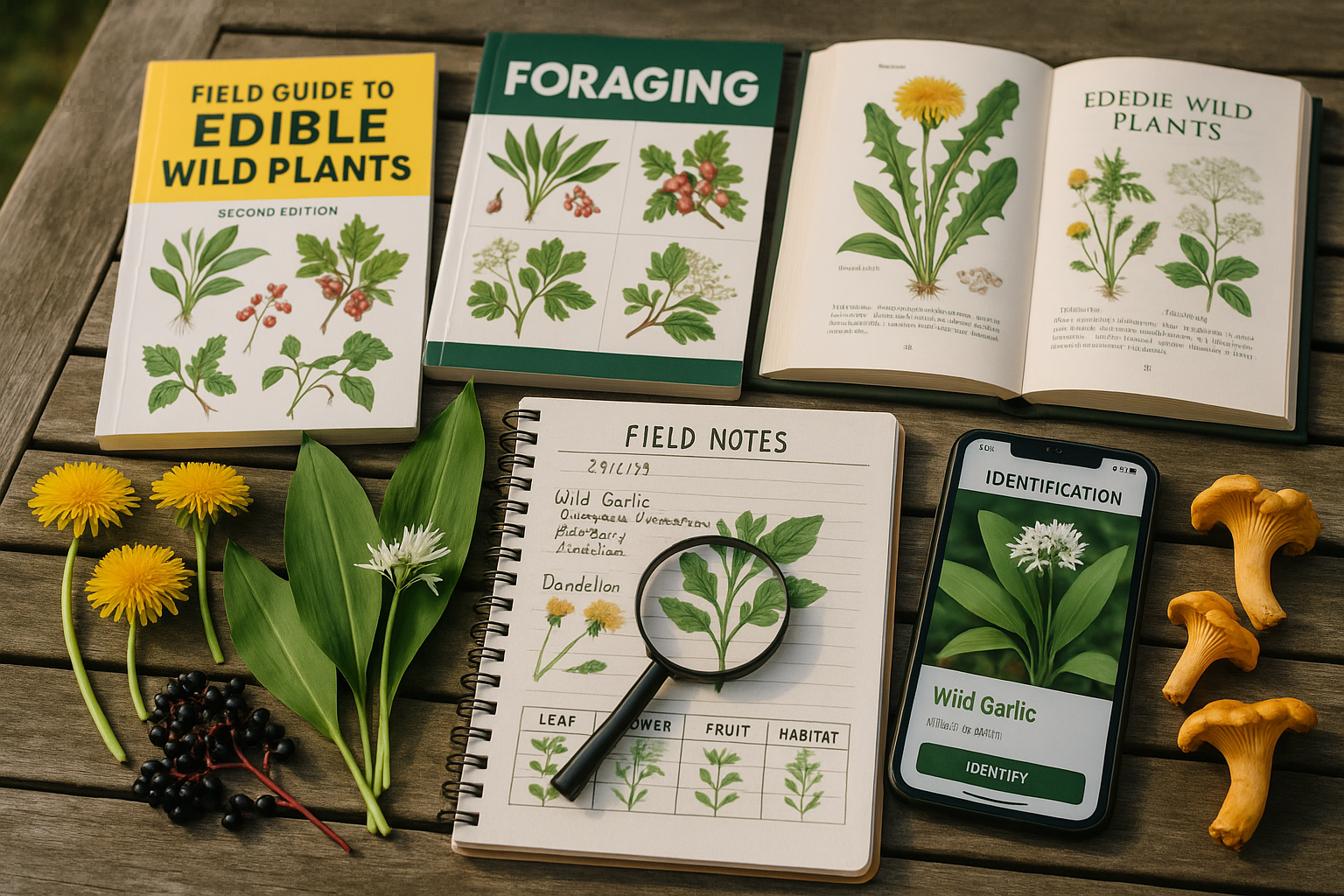
Foraging represents one of humanity’s oldest survival skills, yet it demands modern precision and scientific accuracy. Quality foraging guides serve as the bridge between ancient wisdom and contemporary safety standards. The stakes couldn’t be higher – accurate plant identification can provide nutritious, free food, while misidentification can lead to serious illness or even death.
Professional botanists and experienced foragers consistently emphasize that no single resource should be the sole authority for plant identification. The most comprehensive Forager’s Guide to Wild Foods Reviews highlight resources that encourage cross-referencing multiple sources and provide clear warnings about potentially dangerous look-alikes.
Regional Expertise vs. General Knowledge
One of the most significant factors distinguishing excellent foraging guides from mediocre ones is regional specificity. Plants vary dramatically based on:
- Geographic location 🌍
- Climate conditions ☀️
- Soil composition 🌱
- Seasonal availability 📅
- Local regulations 📋
The best foraging resources acknowledge these variations and provide detailed information specific to particular regions, states, or bioregions. Generic guides that attempt to cover entire continents often lack the precision necessary for safe foraging practices.
Top-Rated Foraging Guides: Detailed Reviews and Analysis
Peterson Field Guide to Edible Wild Plants
**Rating:
⭐
⭐
⭐
⭐
⭐ (4.8/5)**
The Peterson Field Guide series has long been considered the gold standard for field identification, and their edible wild plants edition maintains this reputation. Forager’s Guide to Wild Foods Reviews consistently rank this resource among the top choices for serious foragers.
Strengths:
- Comprehensive coverage of over 400 edible plants across North America
- High-quality illustrations with detailed botanical drawings
- Clear identification keys that guide users through systematic plant identification
- Safety warnings prominently displayed for plants with toxic look-alikes
- Seasonal information indicating optimal harvesting times
Areas for Improvement:
- Limited photographic content compared to illustrations
- Can be overwhelming for absolute beginners
- Requires basic botanical knowledge for best results
“The Forager’s Harvest” by Samuel Thayer
**Rating:
⭐
⭐
⭐
⭐
⭐ (4.9/5)**
Samuel Thayer’s work stands out in Forager’s Guide to Wild Foods Reviews for its combination of scientific accuracy and practical experience. Thayer’s background as both a professional forager and botanical educator shines through in this comprehensive resource.
Key Features:
- Personal field experience with detailed harvesting techniques
- Nutritional information for each featured plant
- Preparation methods including traditional and modern cooking techniques
- Ecological considerations promoting sustainable harvesting practices
- Myth-busting approach that corrects common foraging misconceptions
User Feedback:
“Thayer’s guide transformed my understanding of wild foods. His detailed explanations of harvesting techniques and preparation methods are invaluable.” – Experienced Forager, Colorado
Regional Specialization Guides
“Edible Wild Plants of Eastern North America”
This specialized guide focuses exclusively on the eastern regions of North America, providing unparalleled detail for foragers in this area. Reviews consistently praise its regional accuracy and detailed habitat descriptions.
Notable Features:
- Habitat-specific information
🏞
️
- Seasonal availability charts 📊
- Traditional uses by indigenous peoples
- Modern preparation techniques
👨
🍳
- Conservation guidelines 🌿
“Pacific Northwest Foraging”
Tailored specifically for the unique ecosystem of the Pacific Northwest, this guide addresses the region’s distinctive flora and foraging opportunities.
Specialized Content:
- Mushroom identification (crucial for PNW foraging)
- Coastal plant varieties 🌊
- Mountain vs. valley species ⛰️
- Rainfall impact on plant availability
- Local regulations and protected species
Digital Resources and Modern Foraging Technology
Mobile Applications for Field Identification
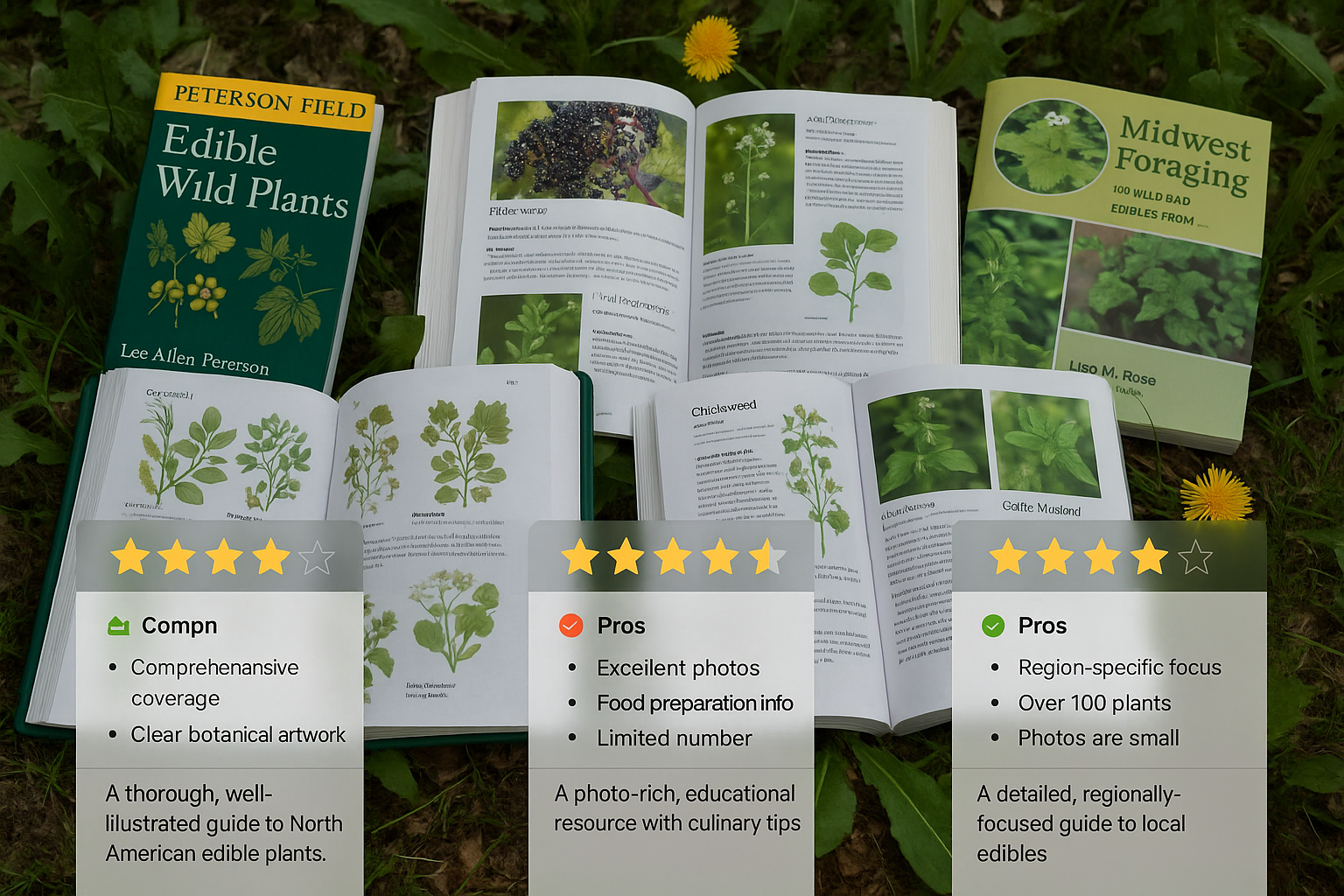
The integration of technology into foraging practices has revolutionized how modern foragers approach plant identification. Contemporary Forager’s Guide to Wild Foods Reviews increasingly include digital resources alongside traditional printed guides.
PlantNet and iNaturalist
These crowd-sourced identification apps provide:
- Photo-based identification 📸
- Community verification 👥
- Geographic tracking
🗺
️
- Seasonal occurrence data 📈
- Expert consultation opportunities
Important Caveat: While these apps serve as excellent supplementary tools, they should never replace comprehensive field guides for safety-critical identification decisions.
Specialized Foraging Apps
Several apps specifically target foraging communities:
| App Name | Key Features | User Rating | Cost |
|---|---|---|---|
| Seek by iNaturalist | Real-time identification | 4.6/5 | Free |
| PlantIn | AI-powered identification | 4.4/5 | Freemium |
| Wild Edibles | Foraging-specific database | 4.2/5 | $9.99 |
| Mushroom Identify | Fungi specialization | 4.0/5 | $4.99 |
Online Communities and Educational Platforms
Digital platforms have created unprecedented opportunities for foraging education and community building. Modern Forager’s Guide to Wild Foods Reviews recognize the value of these interactive resources:
Educational Websites:
- Foraging courses with video demonstrations
- Interactive plant databases with search functions
- Regional foraging calendars
🗓
️
- Safety protocol training
🛡
️
- Sustainable harvesting guidelines ♻️
Safety Considerations and Best Practices in Foraging
The Foundation of Safe Foraging
Every reputable resource featured in Forager’s Guide to Wild Foods Reviews emphasizes that safety must be the primary consideration in all foraging activities. The fundamental principles include:
The 100% Rule
Never consume any plant unless you are 100% certain of its identification. This rule appears in every quality foraging guide and cannot be overemphasized. Even experienced foragers continue to reference multiple sources before harvesting unfamiliar plants.
Common Dangerous Look-Alikes
Quality foraging guides dedicate significant attention to plants that are commonly confused with edible species:
High-Risk Confusion Pairs:
- Wild carrot vs. poison hemlock ☠️
- Wild onion vs. death camas ⚠️
- Elderberry vs. pokeweed 🚫
- Wild mushrooms (numerous dangerous varieties) 🍄
Legal and Ethical Considerations
Responsible foraging extends beyond safety to include legal and ethical dimensions. The best resources address:
Legal Harvesting
- Public vs. private land regulations
🏛
️
- National and state park restrictions
- Permit requirements for certain areas
- Quantity limitations and bag limits
- Protected species identification
Sustainable Practices
- Leave no trace principles 👣
- Harvest only what you need 🤏
- Population preservation techniques
- Seasonal timing for minimal impact
- Habitat restoration considerations
Building Your Foraging Library: Expert Recommendations
Essential Resources for Different Skill Levels
Beginner Foragers should start with resources that emphasize safety and focus on easily identifiable plants with no dangerous look-alikes. Forager’s Guide to Wild Foods Reviews consistently recommend starting with these “beginner-safe” plants:
Beginner-Safe Plants
- Dandelions 🌼 – Easily identifiable, no toxic look-alikes
- Plantain – Distinctive leaf pattern, safe for beginners
- Clover – Recognizable flowers, widespread availability
- Wild garlic – Distinctive smell aids identification
- Blackberries – Obvious fruit, familiar to most people
Recommended Beginner Resources
- “The Beginner’s Guide to Edible Wild Plants” by Christopher Nyerges
- Regional nature center workshops 🏫
- Guided foraging tours with certified instructors
- University extension programs 🎓
Intermediate to Advanced Resources
As foragers develop experience and confidence, they can explore more comprehensive resources that cover a broader range of plants and more complex identification challenges.
Advanced Identification Guides
- “Botany in a Day” by Thomas J. Elpel – Understanding plant families
- “Edible and Medicinal Plants of the West” by Gregory Tilford
- Regional mycological society publications for mushroom foraging
- Ethnobotanical studies of traditional plant uses
Building a Complete Reference System
Successful foragers develop a multi-layered reference system that includes:
Physical Resources
- Primary field guide for your region 📖
- Backup identification guide from different author
- Plant family reference for understanding botanical relationships
- Seasonal harvesting calendar 📅
- Safety protocol checklist ✅
Digital Backup
- Offline plant identification apps 📱
- Downloaded regional plant databases 💾
- Emergency contact information for poison control
- GPS coordinates for successful foraging locations
- Digital photos of local plant variations
Evaluating Foraging Guide Quality: What to Look For
Author Credentials and Experience
When reviewing Forager’s Guide to Wild Foods Reviews, pay close attention to author qualifications. The most reliable guides come from authors with:
Academic Background
- Botanical education 🎓
- Field research experience 🔬
- Published scientific papers 📄
- University affiliations
🏛
️
- Professional certifications 📜
Practical Experience
- Years of active foraging ⏰
- Teaching experience
👨
🏫
- Survival training background
🏕
️
- Indigenous knowledge integration
- Regional expertise
🗺
️
Content Quality Indicators
Scientific Accuracy
- Latin botanical names included
- Detailed morphological descriptions 🔍
- Habitat requirements specified
- Seasonal variations documented
- Geographic range clearly defined
Safety Emphasis
- Prominent warning sections ⚠️
- Look-alike comparisons 👀
- Risk assessment for each plant
- Emergency procedures outlined
- Legal considerations addressed
User Reviews and Community Feedback
Real-world user experiences provide valuable insights into guide effectiveness. Look for reviews that mention:
Practical Application
- Field testing results 🧪
- Accuracy verification ✓
- Ease of use in outdoor conditions
- Durability of physical guides
- Update frequency for digital resources
Educational Value
- Learning curve assessment 📈
- Skill development progression
- Confidence building aspects
- Error prevention effectiveness
- Knowledge retention support
Seasonal Foraging Strategies and Resource Planning
Spring Foraging Focus
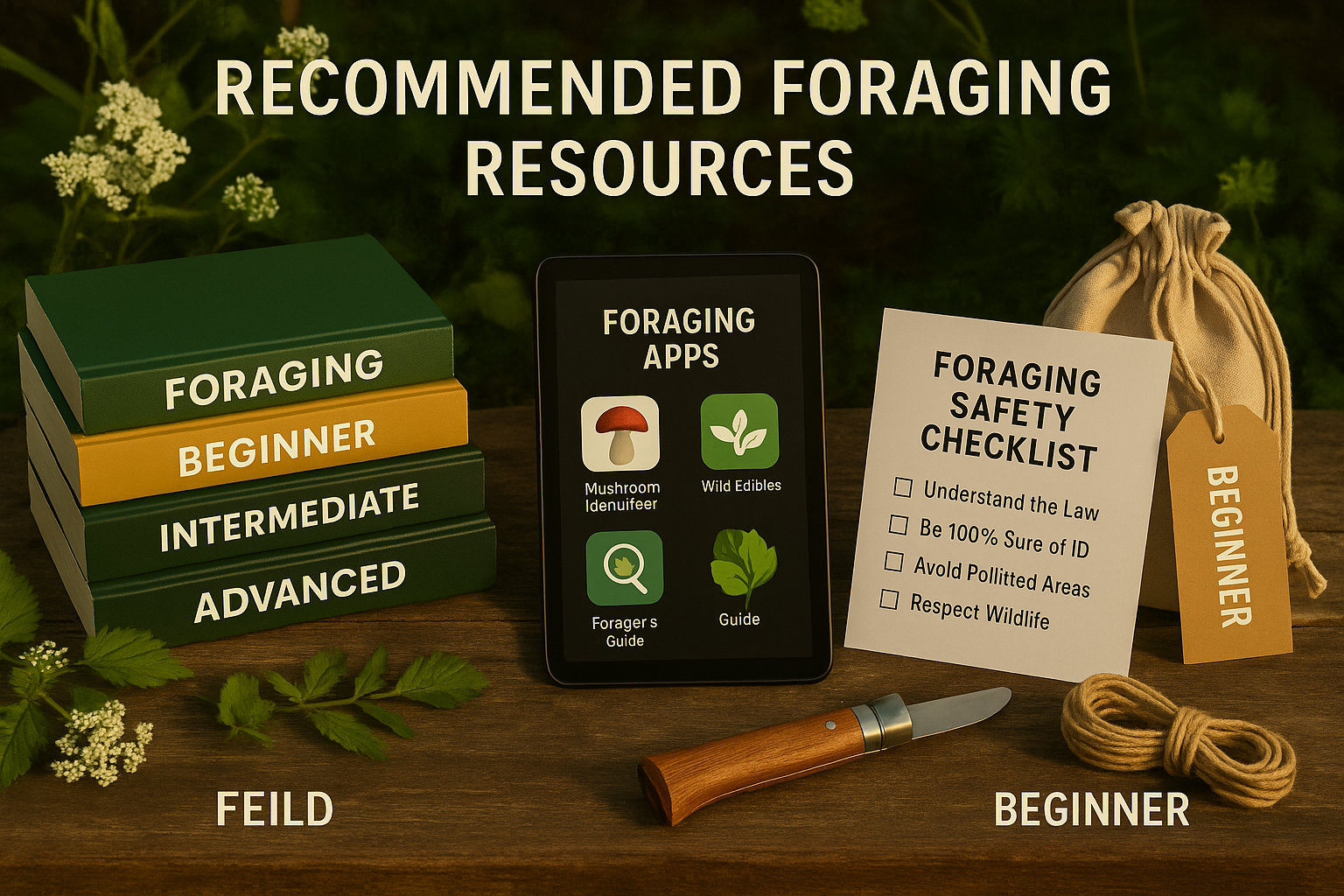
Spring offers unique foraging opportunities as plants emerge from winter dormancy. Quality Forager’s Guide to Wild Foods Reviews emphasize seasonal specificity in their recommendations.
Early Spring Targets
- Wild leeks (ramps) 🧄 – Limited season, high demand
- Violet leaves – Tender and nutritious
- Dandelion greens – Before flowers appear
- Wild asparagus – Young shoots
- Fiddlehead ferns – Proper preparation required
Spring Safety Considerations
- Emerging plant identification can be challenging
- Toxic plants may emerge simultaneously
- Permit seasons may be restricted
- Habitat sensitivity during growing season
- Weather variability affects plant development
Summer and Fall Strategies
Peak Foraging Season
Summer and fall represent the most abundant foraging seasons, requiring guides that help foragers:
- Prioritize high-value plants and fruits 🍓
- Manage preservation techniques
- Navigate peak competition from other foragers
- Understand ripeness indicators
- Plan efficient harvesting routes
Resource Management
- Succession planning for different harvest times
- Storage and preservation method guides
- Quantity planning for winter preparation
- Equipment organization for efficient harvesting
- Location tracking for return visits
Future Trends in Foraging Education and Resources
Technology Integration
The future of foraging education increasingly incorporates advanced technology while maintaining respect for traditional knowledge. Emerging trends in Forager’s Guide to Wild Foods Reviews include:
Augmented Reality Applications
- Real-time plant identification overlays 🔍
- Safety warning pop-ups
- Harvesting technique demonstrations
- Seasonal timing alerts
- Legal status notifications
AI-Powered Learning Systems
- Personalized learning paths 🤖
- Progress tracking and skill assessment
- Regional customization based on location
- Risk assessment algorithms
- Community knowledge integration
Sustainable Foraging Movement
Conservation Integration
Modern foraging resources increasingly emphasize:
- Ecosystem health monitoring 🌱
- Climate change impacts on plant populations
- Habitat restoration participation
- Citizen science contributions
- Biodiversity conservation efforts
Community Building
- Local foraging groups 👥
- Knowledge sharing platforms
- Mentorship programs 🤝
- Cultural exchange opportunities
- Traditional knowledge preservation
Conclusion
The world of wild food foraging offers incredible opportunities for those equipped with reliable, comprehensive resources. This analysis of Forager’s Guide to Wild Foods Reviews reveals that successful foraging depends on combining multiple high-quality resources, prioritizing safety above all else, and developing a deep understanding of local ecosystems.
The best foraging guides share common characteristics: scientific accuracy, regional specificity, safety emphasis, and practical application focus. Whether you choose traditional field guides like the Peterson series, experiential resources like Samuel Thayer’s works, or modern digital applications, the key is building a comprehensive reference system that supports safe, sustainable, and successful foraging practices.
Actionable Next Steps
- Start with regional basics – Identify the top-rated foraging guide specific to your geographic area
- Build your safety foundation – Master plant identification techniques and safety protocols before venturing into the field
- Join local communities – Connect with experienced foragers through workshops, nature centers, or online groups
- Practice with safe species – Begin with easily identifiable plants that have no dangerous look-alikes
- Develop your reference system – Combine physical guides, digital resources, and community knowledge for comprehensive support
Remember, foraging is both an art and a science that requires patience, respect for nature, and commitment to continuous learning. The resources highlighted in these Forager’s Guide to Wild Foods Reviews provide the foundation for a lifetime of safe and rewarding wild food exploration. Start slowly, prioritize safety, and enjoy the incredible journey of discovering the edible abundance that surrounds us in the natural world.
Frequently Asked Questions
What does Forager’s Guide to Wild Foods teach about survival food or water preparedness?
Forager’s Guide to Wild Foods is a guide or program covering long-term food storage, emergency water sourcing, or survival nutrition. Our review explains exactly what’s covered, who it’s written by, and whether the information is practical for average households.
Is Forager’s Guide to Wild Foods suitable for people who are new to survival preparedness?
Forager’s Guide to Wild Foods is generally written for a wide audience, from complete beginners to experienced preppers. Our review assesses how accessible the material is and what prior knowledge, if any, is helpful.
What format does Forager’s Guide to Wild Foods come in, and can I access it immediately?
Forager’s Guide to Wild Foods is typically available as a digital download, which means instant access after purchase. Physical editions may also be available. Our review covers the current format options.
Does Forager’s Guide to Wild Foods come with a money-back guarantee?
Forager’s Guide to Wild Foods is usually sold with a 60 day refund policy, especially if distributed through ClickBank or a similar platform. Our review includes current purchasing and refund information.


